SEO vs PPC ROI: Which Strategy Delivers More Value?
SEO vs PPC for ROI: What Matters Most
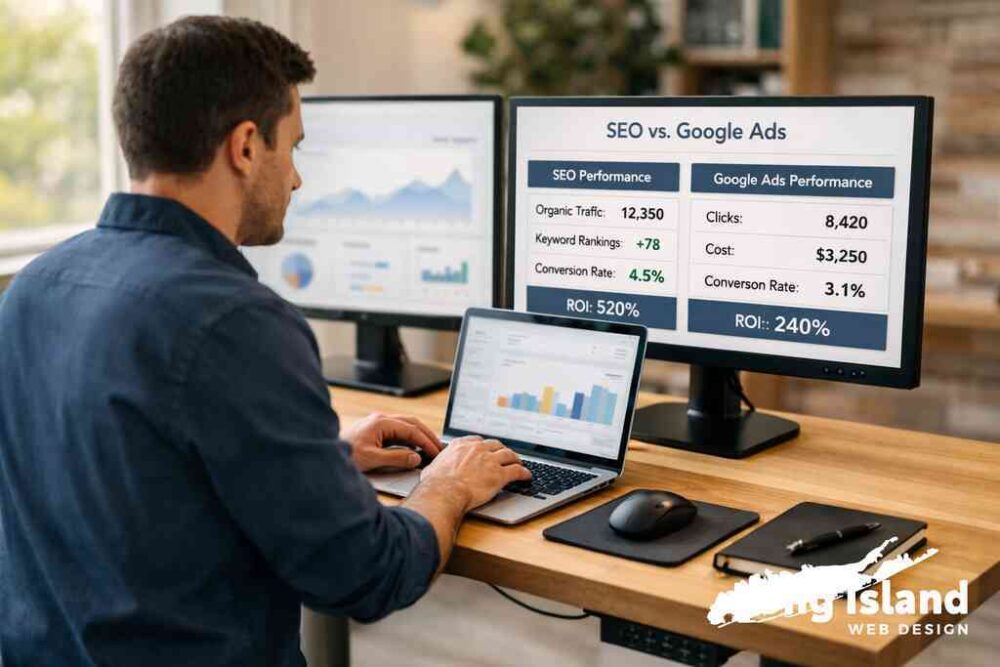
SEO and PPC both drive search traffic, but they do not deliver ROI in the same way. SEO usually builds stronger long-term return on investment because results can compound over time. PPC can generate leads quickly, but the traffic ends when the budget stops. The better choice depends on your goals, margins, sales cycle, and how fast you need results.
The core difference
SEO focuses on earning organic visibility in search results. PPC buys placement through paid ads. That simple difference changes the way ROI works.
With SEO, you invest in content, technical improvements, local visibility, and site authority. The payoff often takes longer, but the cost per lead can improve over time.
With PPC, you pay for each click or impression. That gives you control and speed. It is useful when you want immediate visibility, fast testing, or a short-term lead boost.
Why traffic does not always equal ROI
A high number of visits does not guarantee revenue. Both SEO and PPC can fail if the page experience is weak.
Common problems include:
- Slow page speed
- Unclear calls to action
- Poor mobile layout
- Forms that ask for too much information
- Landing pages that do not match search intent
If people land on the page and leave without taking action, the channel may not be the problem. The page may be.
When SEO tends to win on ROI
SEO is often the stronger long-term ROI channel when a business wants steady, sustainable growth. It can be especially effective when the site is built to convert and the content matches what people are actually searching for.
SEO often performs well when:
- The business serves repeat or ongoing demand
- The sales cycle is longer and trust matters
- The brand wants to reduce dependence on ad spend
- There is time to build authority and rankings
SEO can also improve visibility across multiple searches at once. A strong page may bring traffic for several related queries, which helps the return compound over time.
When PPC can be the better short-term choice
PPC is useful when speed matters. If you need leads now, PPC can put your business in front of searchers almost immediately.
PPC often makes sense when:
- You need fast lead generation
- You want to test keywords or offers quickly
- You are launching a new service
- You need more control over targeting and budget
PPC can be especially valuable during seasonal demand or urgent campaigns. It gives you fast feedback on what people click, what messages work, and which landing pages convert.
How to compare ROI the right way
To compare SEO and PPC fairly, look beyond clicks and rankings. Focus on the numbers that connect traffic to revenue.
The most useful metrics are:
- Cost per lead
- Conversion rate
- Lead quality
- Customer lifetime value
- Return on ad spend
- Time to conversion
A channel with cheaper clicks is not always better. If those clicks do not turn into paying customers, the real ROI is weak.
A simple example helps. PPC may deliver leads this week, but the cost can stay high. SEO may take longer to build, but if it brings in qualified visitors month after month, the long-term return can be stronger.
Why many businesses need both
For many companies, the best answer is not SEO or PPC. It is SEO and PPC working together.
That combination can help in several ways:
- SEO builds long-term organic traffic
- PPC fills the gap while SEO gains momentum
- PPC data can reveal which keywords convert
- SEO can reduce reliance on paid traffic over time
- Both channels can support different stages of the buyer journey
This is often a smart approach for local service businesses, professional firms, and companies with competitive search results. One channel creates stability. The other creates speed.
Local businesses need a different ROI lens
For local businesses, location and intent matter as much as traffic volume. A search from a nearby customer often has more value than a generic visitor from somewhere else.
That is why local SEO, Google Business Profile optimization, and conversion-focused landing pages can improve ROI before any extra ad spend is added.
Local businesses should pay attention to:
- Service area relevance
- Map visibility
- Reviews and trust signals
- Clear contact options
- Mobile-friendly pages
If a business serves a specific area, better local targeting can improve both SEO and PPC performance.
How to improve ROI before spending more
Before increasing budget, check whether the site is ready to convert.
A few practical improvements can make a big difference:
- Make the headline clear and specific.
- Place the main call to action near the top.
- Keep forms short and easy to complete.
- Add trust signals such as reviews or service details.
- Improve page speed and mobile usability.
- Match the page content to the search intent.
These changes can improve performance for both organic and paid traffic.
Final takeaway
SEO and PPC both have value, but they serve different ROI goals. SEO is usually stronger for long-term growth and lower ongoing acquisition costs. PPC is often better for immediate traffic and fast testing.
The best choice depends on your business model, timeline, and conversion path. In many cases, the strongest ROI comes from using both strategically and making sure the website itself is ready to turn clicks into customers.
What Is the Difference Between SEO and PPC for ROI


Comments
Post a Comment