How Long Island Web Design Is Shaping Future Branding
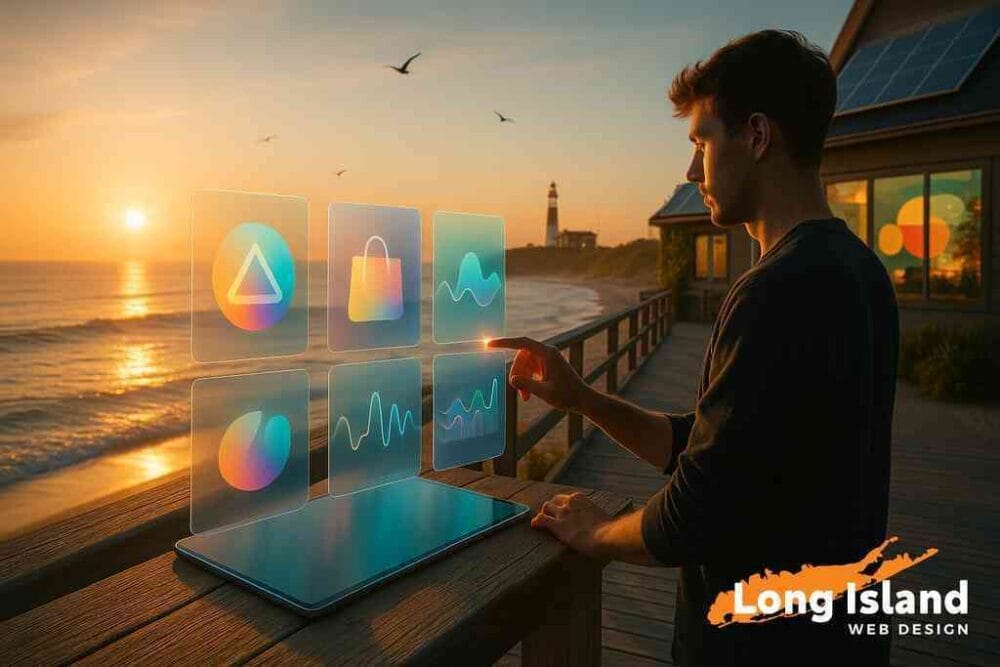
How Long Island Web Design Is Shaping Future Branding
Branding in 2026 looks dramatically different from what it did just a few years ago. Long Island businesses that want to stay visible and competitive need to understand how modern web design and adaptive brand strategy work together to build lasting digital presence.
This overview breaks down the key future branding elements that Long Island Web Design emphasizes, and why they matter for any local business operating online today.
Why Future-Ready Branding Is No Longer Optional
Customers form impressions within seconds. A website that feels outdated or loads slowly sends a clear signal that a business may not be keeping up. For New York businesses especially, where competition is dense and audiences are discerning, a strong brand identity is a practical necessity.
Future-ready branding is not about chasing trends for their own sake. It is about building a visual and messaging system flexible enough to adapt as technology, platforms, and customer expectations shift. That kind of adaptability protects the investment you make in design and content over time.
Adaptive Logo Systems: Moving Beyond the Static Emblem
One of the most significant shifts in modern branding is the move away from single, fixed logos toward adaptive logo systems. A logo that looks great on a website header may become unreadable as a smartwatch icon or a social media avatar.
Adaptive logo systems solve this by building around a core visual element that can:
- Scale up or down without losing clarity
- Animate for digital environments where motion adds context
- Simplify for small formats and expand for large displays
- Shift color treatment for dark mode or light mode interfaces
This approach keeps brand recognition intact across every touchpoint, from a mobile browser to an in-store display screen.
Responsive Color Palettes and Dark Mode Design
Color is one of the fastest emotional triggers in design. But a palette that works beautifully in a light-mode browser may become difficult to read in dark mode, which a growing share of mobile users now prefer.
Token-based color systems allow design teams to define color relationships that automatically adjust depending on the user's display settings. This means your brand colors remain both on-brand and accessible regardless of how someone views your site.
Accessibility is not just a courtesy. WCAG contrast standards exist because readable design converts better and reaches wider audiences, including those with visual impairments.
Mobile-First Design and Hyperlocal SEO
Mobile-first indexing is the standard that search engines now use to evaluate and rank websites. This means the mobile version of your site is what matters most for search visibility, not the desktop version.
For Long Island businesses, this connects directly to hyperlocal SEO. Shoppers searching on their phones while traveling through communities like Commack or further east toward Montauk are looking for immediate, nearby options. Capturing that audience requires:
- Fast-loading pages optimized for mobile networks
- Structured data and schema markup that helps search engines understand your location and offerings
- Localized landing pages that speak to specific communities
- Voice search optimization for conversational queries
When these elements work together, local businesses become much more visible at the exact moment a potential customer is ready to act.
Technology That Serves the Story, Not the Other Way Around
A common mistake in digital branding is letting technology become the focus rather than the tool. Features like micro-animations, 3D visuals, or immersive interfaces only add value when they serve the customer's experience and support the brand message.
The practical approach is to audit the customer journey first. Identify where users drop off, where they hesitate, and where they convert. Then use design and technology to smooth those friction points. This might mean adding a subtle animation that confirms a form submission, or adjusting navigation so mobile users reach checkout faster.
Every design choice should connect back to a measurable outcome, whether that is longer time on page, lower bounce rates, or higher conversion rates.
Consistency Across Every Channel
Modern brands live across many surfaces simultaneously: websites, social media, email, digital ads, even physical signage. Maintaining a consistent identity across all of these requires a well-documented brand system, not just a style guide.
This includes:
- Defined typography hierarchies
- Clear rules for logo usage in different contexts
- A consistent tone of voice in all written content
- A color system that travels well across formats
When every customer interaction feels coherent and intentional, trust builds naturally over time.
Final Thoughts
Future branding is really about designing for change. The businesses that invest in flexible, thoughtful brand systems now will be better positioned to adapt as new platforms emerge and customer expectations continue to evolve.
For Long Island businesses, working with a web design team that understands both the technical and creative sides of modern branding makes that process significantly more efficient and effective.
Future Branding Elements by Long Island Web Design Explained


Comments
Post a Comment